
How to Choose the Right HVAC System for You

Choosing the right HVAC (Heating, Ventilation, and Air Conditioning) system can feel overwhelming, especially with the variety of options available today. A well-functioning HVAC system is crucial for maintaining comfort in your home, improving air quality, and enhancing energy efficiency. In this guide, we will explore the key factors to consider when selecting an HVAC system that best suits your needs.
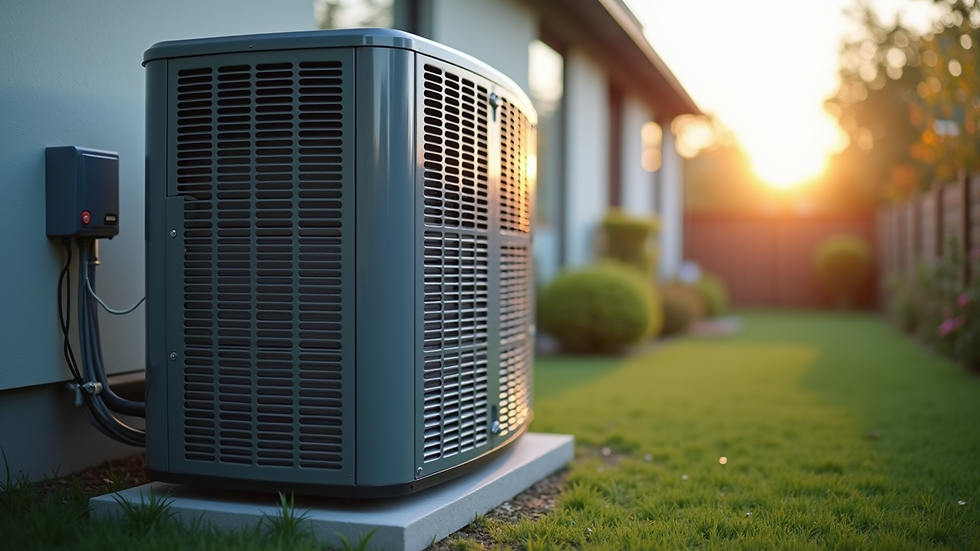
Understanding Your HVAC Needs
Before diving into the specifics of different HVAC systems, it's essential to assess your unique needs. Consider the following factors:
Size of Your Home
The size of your home significantly impacts the type of HVAC system you should choose. A system that is too small will struggle to maintain comfortable temperatures, while one that is too large can lead to inefficient energy use and increased costs.
Square Footage: Measure the total square footage of your home. This will help you determine the appropriate capacity of the HVAC system.
Number of Rooms: More rooms may require a multi-zone system to ensure even heating and cooling.
Climate Considerations
Your local climate plays a crucial role in determining the best HVAC system for your home.
Hot Climates: If you live in a region with high temperatures, an efficient air conditioning system is essential.
Cold Climates: In colder areas, a reliable heating system is necessary to keep your home warm during winter months.
Energy Efficiency
Energy efficiency is a critical factor when choosing an HVAC system. Look for systems with high SEER (Seasonal Energy Efficiency Ratio) ratings for air conditioning and AFUE (Annual Fuel Utilization Efficiency) ratings for heating. Higher ratings indicate better energy efficiency, which can lead to lower utility bills.
Budget
Your budget will also influence your decision. HVAC systems come in a wide range of prices, so it's essential to find a balance between quality and affordability.
Initial Costs: Consider the upfront costs of purchasing and installing the system.
Long-Term Savings: Factor in potential savings on energy bills over time with a more efficient system.
Types of HVAC Systems
Once you have a clear understanding of your needs, it's time to explore the various types of HVAC systems available.
Central Air Conditioning Systems
Central air conditioning systems are popular for their ability to cool an entire home efficiently. They consist of an outdoor unit and an indoor air handler connected by ducts.
Pros: Even cooling, quiet operation, and improved air quality with proper filtration.
Cons: Higher installation costs and the need for ductwork.
Ductless Mini-Split Systems
Ductless mini-split systems are an excellent option for homes without existing ductwork. They consist of an outdoor compressor and one or more indoor air handling units.
Pros: Flexible installation, energy-efficient, and zoned cooling.
Cons: Higher upfront costs and potential aesthetic concerns with indoor units.
Heat Pumps
Heat pumps can provide both heating and cooling, making them a versatile option for many homeowners. They work by transferring heat rather than generating it.
Pros: Energy-efficient, environmentally friendly, and dual functionality.
Cons: Less effective in extremely cold climates without supplemental heating.
Furnaces
Furnaces are a traditional heating option that can run on gas, oil, or electricity. They work by heating air and distributing it through ducts.
Pros: Reliable heating, quick response times, and various fuel options.
Cons: Can be less energy-efficient than other options and may require ductwork.
Radiant Heating Systems
Radiant heating systems use heated water or electric coils installed under floors or in walls to warm a space.
Pros: Comfortable, energy-efficient, and silent operation.
Cons: Higher installation costs and longer response times.
Key Features to Look For
When selecting an HVAC system, consider the following features that can enhance comfort and efficiency:
Smart Thermostats
Smart thermostats allow you to control your HVAC system remotely and can learn your preferences over time. They can help optimize energy use and reduce costs.
Air Filtration Systems
High-quality air filters can improve indoor air quality by trapping dust, allergens, and other pollutants. Look for systems with HEPA filters for the best results.
Zoning Systems
Zoning systems allow you to control temperatures in different areas of your home independently. This can lead to increased comfort and energy savings.
Noise Levels
Consider the noise levels of the HVAC system, especially if it will be installed near living spaces. Look for models designed for quiet operation.
Installation and Maintenance
Proper installation and regular maintenance are crucial for the longevity and efficiency of your HVAC system.
Professional Installation
Always hire a qualified HVAC technician for installation. They can ensure the system is correctly sized and installed according to local codes.
Regular Maintenance
Schedule regular maintenance checks to keep your system running efficiently. This includes:
Changing Filters: Replace or clean filters regularly to maintain air quality and efficiency.
Annual Inspections: Have a professional inspect your system at least once a year to identify potential issues.
Making the Final Decision
After considering your needs, exploring different types of HVAC systems, and evaluating key features, it's time to make your final decision. Here are some steps to help you choose:
Get Multiple Quotes: Contact several HVAC contractors to get quotes and compare prices.
Read Reviews: Look for customer reviews and ratings for different systems and contractors.
Ask Questions: Don’t hesitate to ask contractors about their recommendations and experiences with different systems.
Conclusion
Choosing the right HVAC system is a significant decision that can impact your comfort and energy bills for years to come. By understanding your needs, exploring different options, and considering key features, you can make an informed choice that suits your home and lifestyle. Take the time to research, consult professionals, and weigh your options carefully. Your ideal HVAC system is out there, waiting to provide you with the comfort you deserve.
Comments